

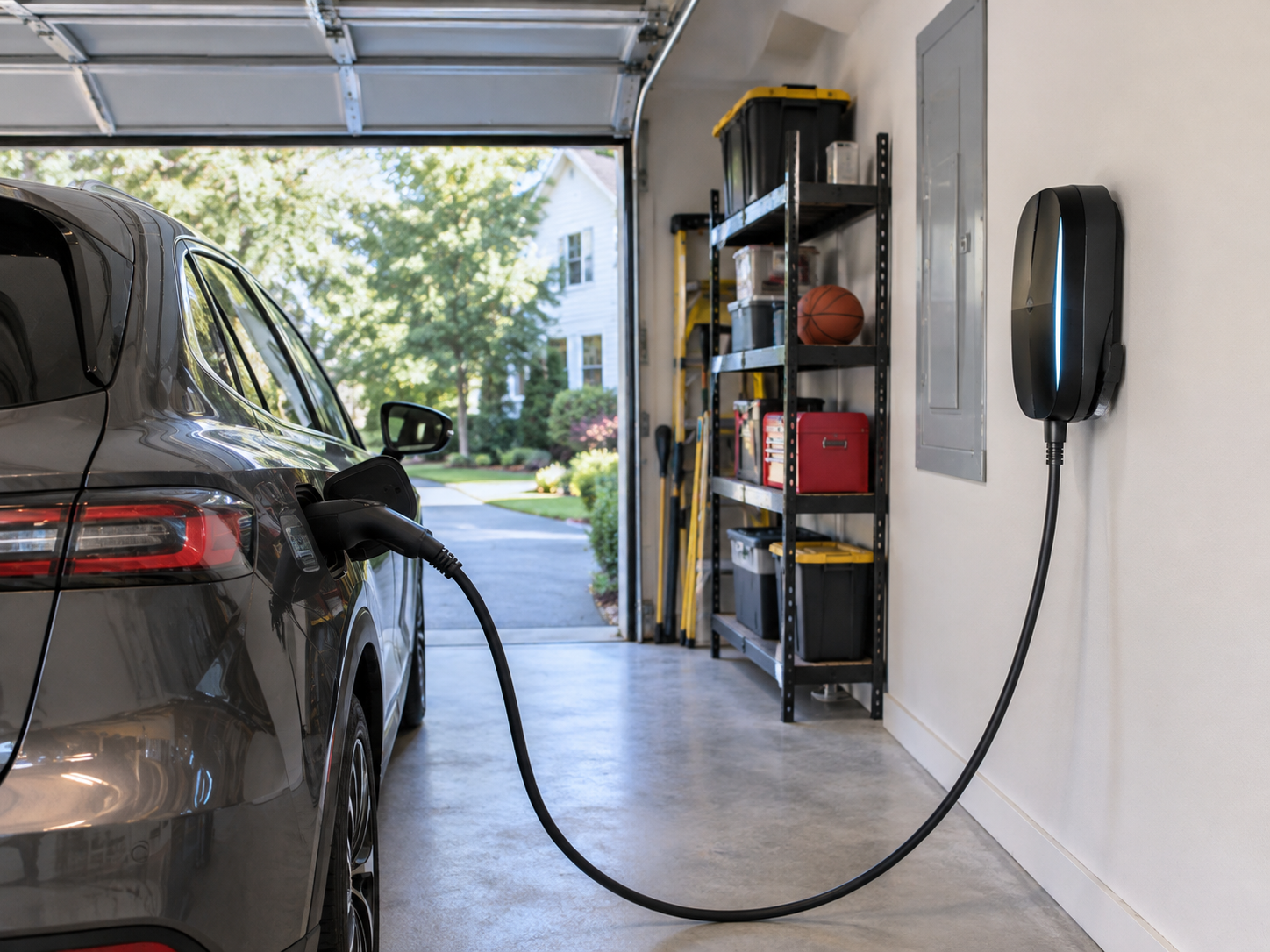
As electric vehicles (EVs) become increasingly popular, more Long Island homeowners are considering installing charging stations at home. Having your own EV charger offers convenience, saves time, and allows you to charge your vehicle overnight without relying on public charging stations.
However, before installing a home charging station, it's important to make sure your home's electrical system can handle the additional demand. Here's what homeowners should know before making the switch.
Understanding Your Home Charging Options
There are two common options for charging an electric vehicle at home:
Level 1 Charging: chargers use a standard 120-volt household outlet and are typically included with many electric vehicles. While this option requires little to no additional installation, charging is considerably slower and may not be ideal for drivers who travel longer distances regularly.
Level 2 Charging: chargers use a 240-volt connection and provide significantly faster charging. They are a popular choice for homeowners who want the convenience of charging their vehicles overnight and having them ready to go the next morning. Level 2 charging stations require a dedicated electrical circuit and professional installation to ensure your home's electrical system can safely support the equipment.
Does Your Electrical Panel Have Enough Capacity?
One of the most important factors to consider before installing an EV charger is your home's electrical panel.
Charging an electric vehicle adds a significant electrical load to your home. If your panel is already handling multiple appliances, heating and cooling systems, and other electrical equipment, there may not be enough available capacity for an additional charging station.
An electrician can evaluate your existing electrical panel and perform a load calculation to determine whether your system can accommodate an EV charger. In some cases, an electrical panel upgrade or other electrical modifications may be necessary before installation.
Choosing the Right Location for Your EV Charger
Where you install your charging station is another important consideration.
Many homeowners choose to install their EV chargers inside the garage, providing convenient access to their vehicles while keeping the equipment protected. Others prefer an outdoor installation near their driveway or designated parking area.
The right location depends on your parking arrangement, the distance from your electrical panel, and the type of charging equipment being installed.
With proper planning and the right equipment, EV chargers can be installed in a variety of locations to accommodate your home's layout and charging needs.
Why Professional EV Charger Installation Matters
Installing an electric vehicle charging station involves more than simply mounting a unit on the wall. The installation must be properly wired, connected to the electrical panel, and completed in accordance with applicable electrical codes and safety requirements.
Professional installation helps ensure that the correct circuit, wiring, and breaker are used for your specific charging equipment. It also helps identify potential electrical limitations before they become costly problems.
Working with a qualified electrical contractor gives you peace of mind knowing your charging station is installed safely and operates as intended.
We're Here to Help
At IllumiGEN, we provide professional EV charger installation services for homeowners throughout Long Island. Whether you're purchasing your first electric vehicle or looking to upgrade your existing charging setup, our team can help determine the right solution for your home.
From evaluating your electrical panel to installing your charging station, we make the process simple and convenient.
If you're considering an EV charger for your home, contact IllumiGEN today to learn more about our electric vehicle charging installation services and schedule an estimate.
